
The $0.50 "Liquid Silk" Secret: How Fermented Rice Water Actually Rebuilds Hair Strength
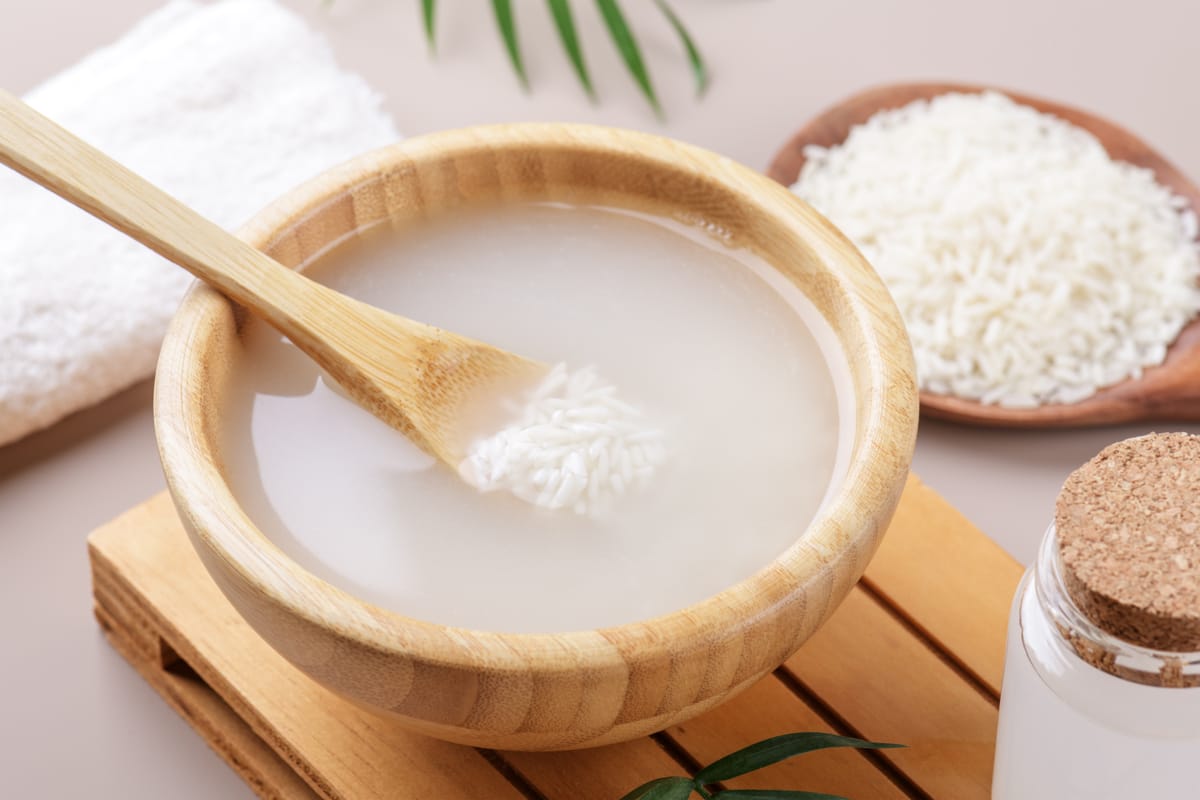
There is a reason why women in the East have had floor-length, jet-black hair for centuries, and it isn't just genetics. While we in the US have been chasing the latest silicone-heavy "repair" masks that cost half a week’s paycheck, the secret to hair strength has been sitting in a kitchen pantry for generations. I’m talking about rice water. But specifically, fermented rice water.
In our DIY Lab, we don't just look for "natural" things to put on our bodies; we look for ingredients that have a functional, chemical reason for working. Rice water is rich in inositol, a carbohydrate that can actually penetrate damaged hair and repair it from the inside out. Even better, inositol stays inside the hair even after you rinse it off, providing a continuous shield of protection.
But here is where most people get it wrong: they just soak rice and use the water immediately. To get the "Liquid Silk" effect, you need to let it ferment. Fermentation lowers the pH of the water to match the natural pH of your hair, and it increases the levels of antioxidants. This isn't just a rinse; it’s a biological reset for your scalp and your strands.
The process is incredibly simple, though it requires a little bit of patience. Take half a cup of organic rice (I prefer jasmine or basmati) and rinse it thoroughly to remove any dust. Place the clean rice in a glass bowl with two cups of filtered water and let it sit for about thirty minutes, giving it a swirl every now and then. Strain the water into a clean jar and here is the key: leave that jar on your counter at room temperature for twenty-four to forty-eight hours. You’ll know it’s ready when it smells slightly sour.
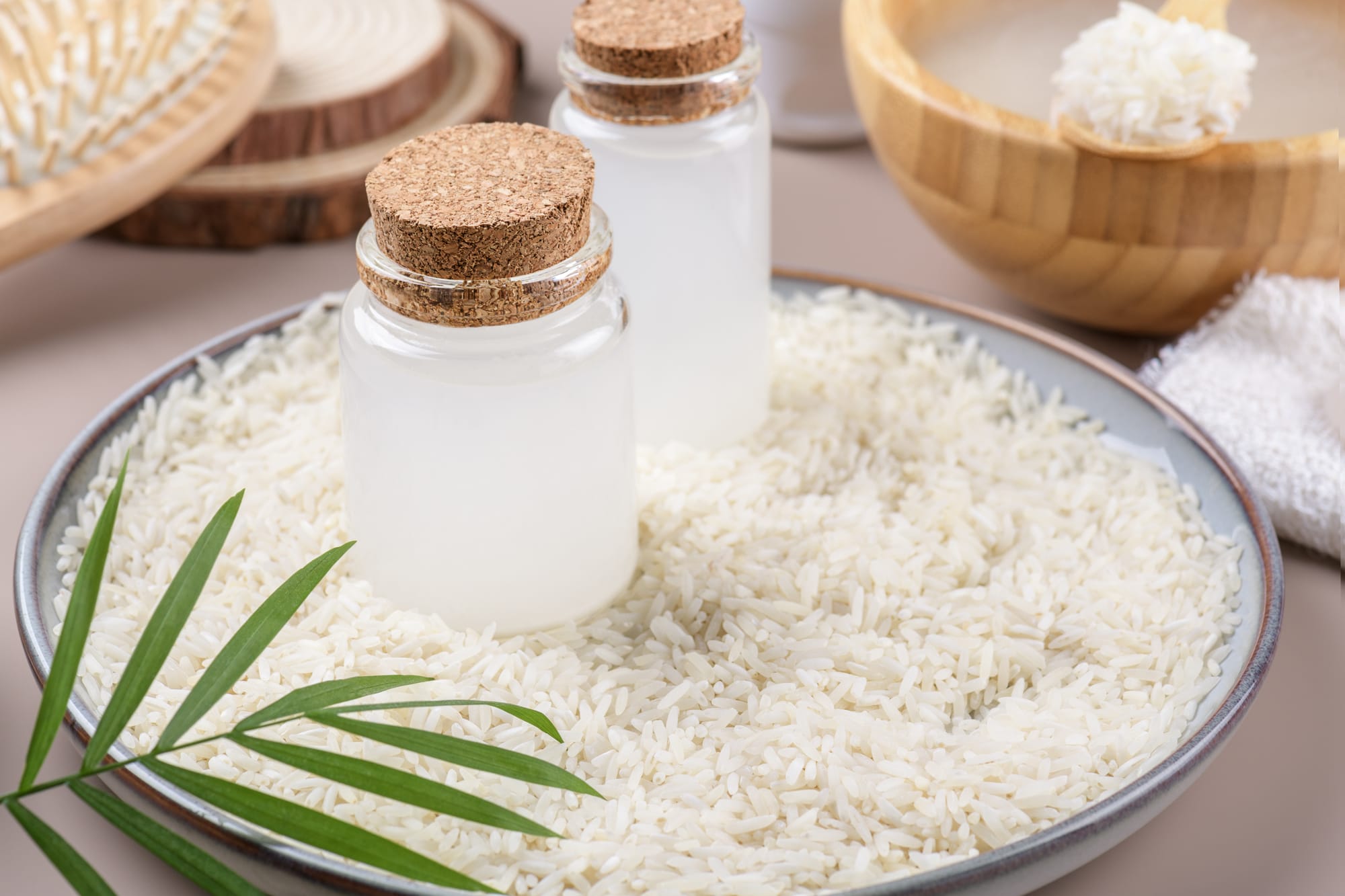
Once it’s fermented, boil it quickly to stop the fermentation process, then let it cool. I like to add a few drops of rosemary or lavender oil to mask the scent and provide some extra scalp stimulation. Use it as a final rinse after you’ve shampooed and conditioned. Pour it over your hair, massage it into your scalp, and let it sit for twenty minutes before a final cool water rinse.
The science behind this is fascinating, particularly how fermented ingredients interact with our hair’s cuticle. For a deeper look at the traditional origins and the modern studies on this, check out the Journal of Cosmetic Chemists for insights into the structural changes it causes in the hair shaft.

What I love about this DIY is the price point. We are talking about pennies per treatment for results that rival a professional bond-building service. It leaves the hair with a weightless shine that silicones simply cannot replicate. In our quest for "Pure Beauty," we often find that the most powerful solutions aren't the most expensive ones. They are the ones that respect the biology of our bodies and the simplicity of nature. Try this on your next "everything shower" day and prepare to be amazed at how much "slip" your hair has without a single drop of plastic-based conditioner.