
The "Blue" Secret to Skin Longevity: Why Copper Peptides are the 2026 Game Changer
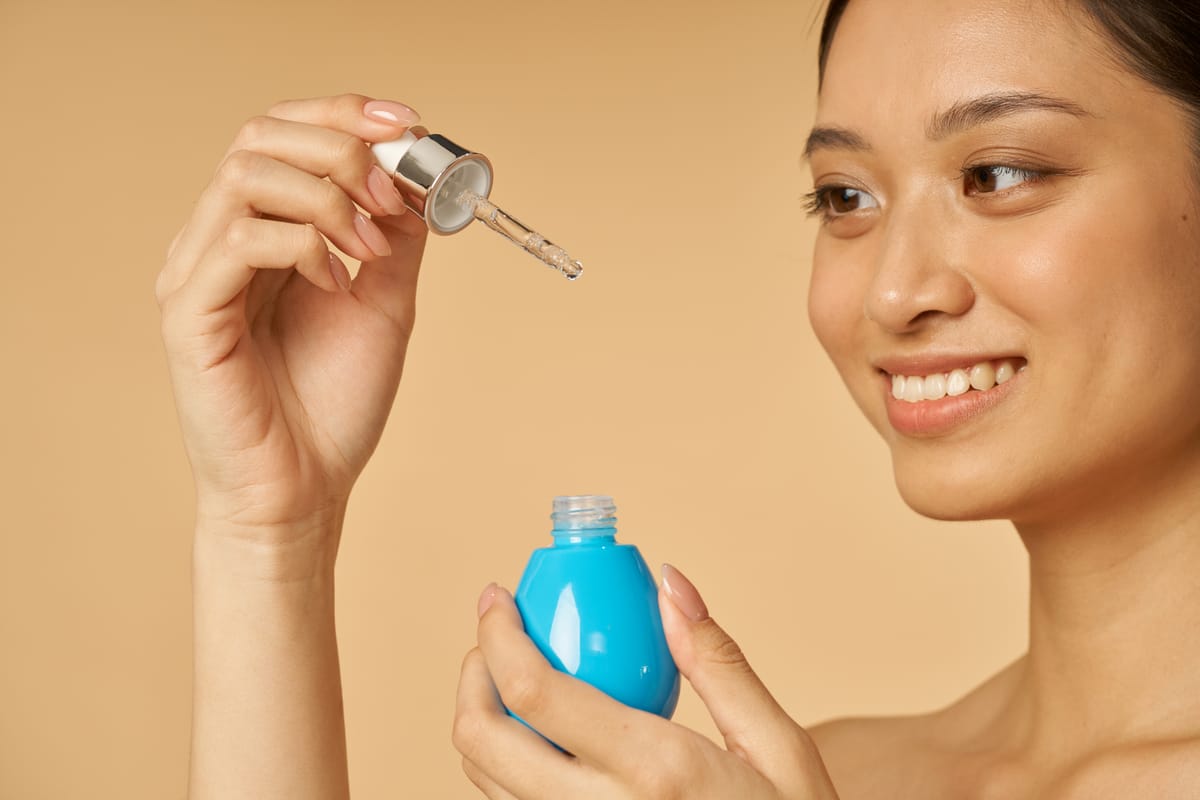
If you’ve been scrolling through high-end skincare forums lately, you’ve probably noticed a specific shade of electric blue popping up in glass bottles everywhere. No, it isn't a synthetic dye or a marketing gimmick. It is the natural hue of Copper Peptides, an ingredient that has been around for decades but is finally having its "main character" moment in the US beauty scene. At thirty-five and beyond, we aren't just looking for quick fixes anymore. We are looking for biological longevity. We want our skin to act younger, not just look like it’s under a heavy layer of primer.
I remember when everyone was obsessed with Vitamin C as the ultimate protector. While I still love my antioxidants, copper peptides are in a league of their own because they are "signal peptides." They essentially tell your skin cells to get back to work. As we age, the communication between our cells gets a bit fuzzy. It’s like a bad Wi-Fi connection. Copper peptides repair that signal, encouraging the production of collagen and elastin while also acting as a powerful antioxidant.
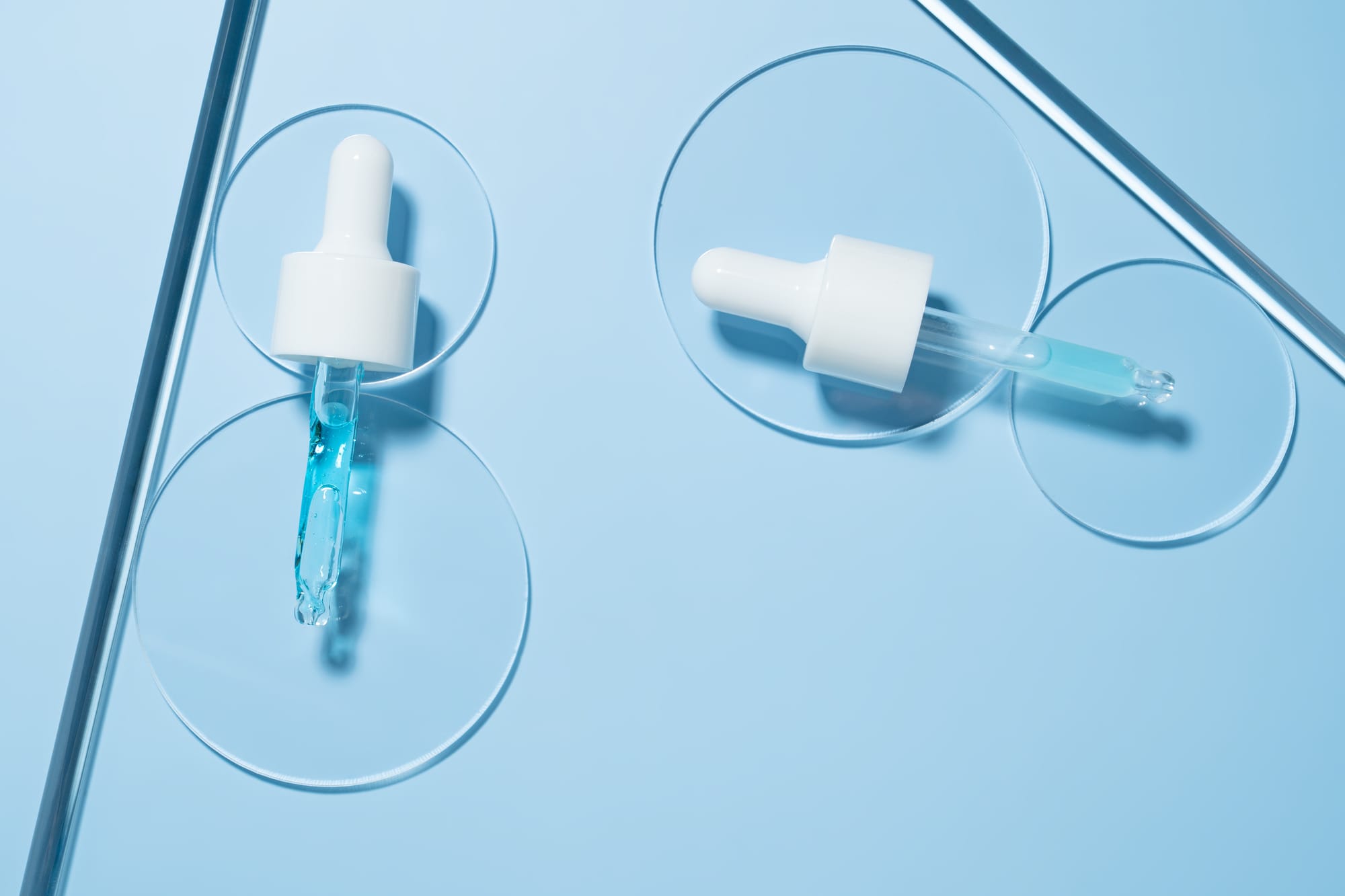
The reason this is the trend to watch in 2026 is our collective shift toward "regenerative beauty." We are moving away from the idea of "anti-aging," which feels like a battle we are destined to lose, and moving toward "pro-aging" or longevity. We want to support the skin’s natural ability to heal itself. Copper peptides are particularly incredible for those of us who might have overdone it with acids or retinols in the past. They help rebuild the barrier and soothe the underlying inflammation that leads to premature sagging.
However, you have to be careful with how you layer them. This is the "actionable" part you need to remember: copper peptides do not play well with Vitamin C or strong AHAs in the same routine. The acidity can actually break down the peptide bond, making both products useless. I prefer to use my copper serum in the evening on "rest" nights when I’m not using my retinoid. It’s like a healing blanket for your face.
If you want to dive into the actual peer-reviewed science behind how these blue drops work, I highly recommend checking out the National Institutes of Health archives on GHK-Cu. It is fascinating to see how a simple mineral complex can influence gene expression in our skin cells.
When you start looking for a copper peptide product, don't be fooled by "copper-colored" packaging. Look for that distinct blue tint in the serum itself. Start slowly, perhaps twice a week, and watch how your skin’s "bounce" returns. This isn't a temporary plump; it’s a long-term investment in your skin’s infrastructure. In a world of fleeting trends, this is one ingredient that has earned its permanent spot on my shelf.